Featured Example
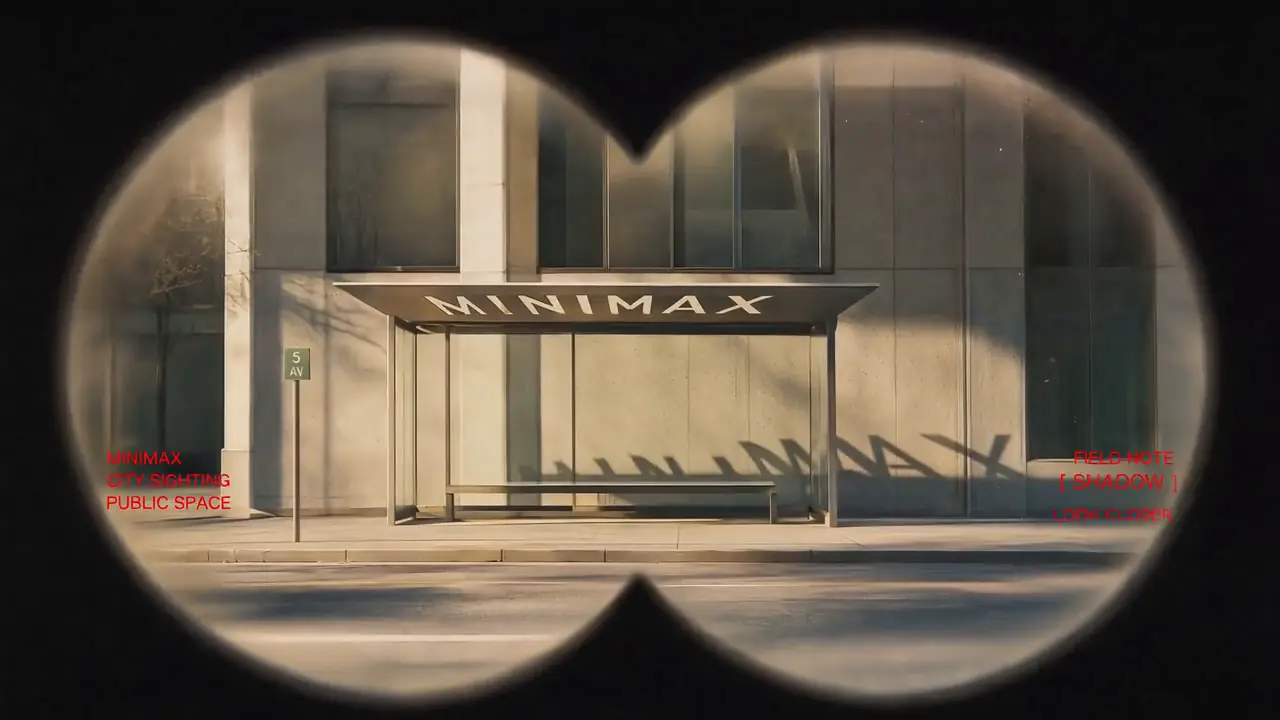
Vintage Binocular Brand Film
Reference to Video · Brand Films & Cinematic Content
MiniMax3.org is an independent AI video platform for MiniMax H3. If you're searching for “MiniMax 3” video generation, use MiniMax3 to create H3 videos from text, images, video, and audio references with 768p or 2K output and native audio.
Sign in and check in daily to claim 10 free credits, with a 30-credit cap.
Recommended for testing prompts and first drafts.
2K output is available on the 2K tier only.
Checking your account…

Featured MiniMax H3 examples — hover to preview, tap to view the prompt.
Reference to Video · Brand Films & Cinematic Content
First & Last Frame · Brand Films & Cinematic Content
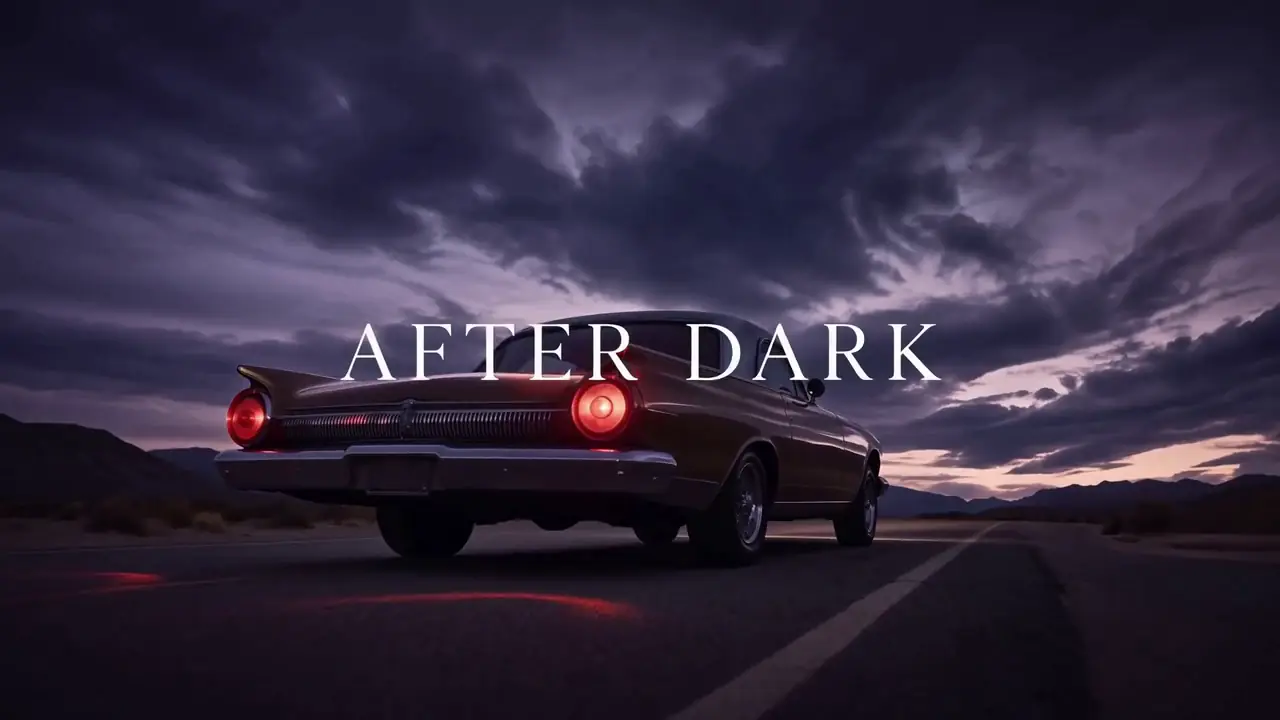
Reference to Video · Brand Films & Cinematic Content

Reference to Video · Brand Films & Cinematic Content

Reference to Video · Visual Concepts & Motion Design

Text to Video · Visual Concepts & Motion Design
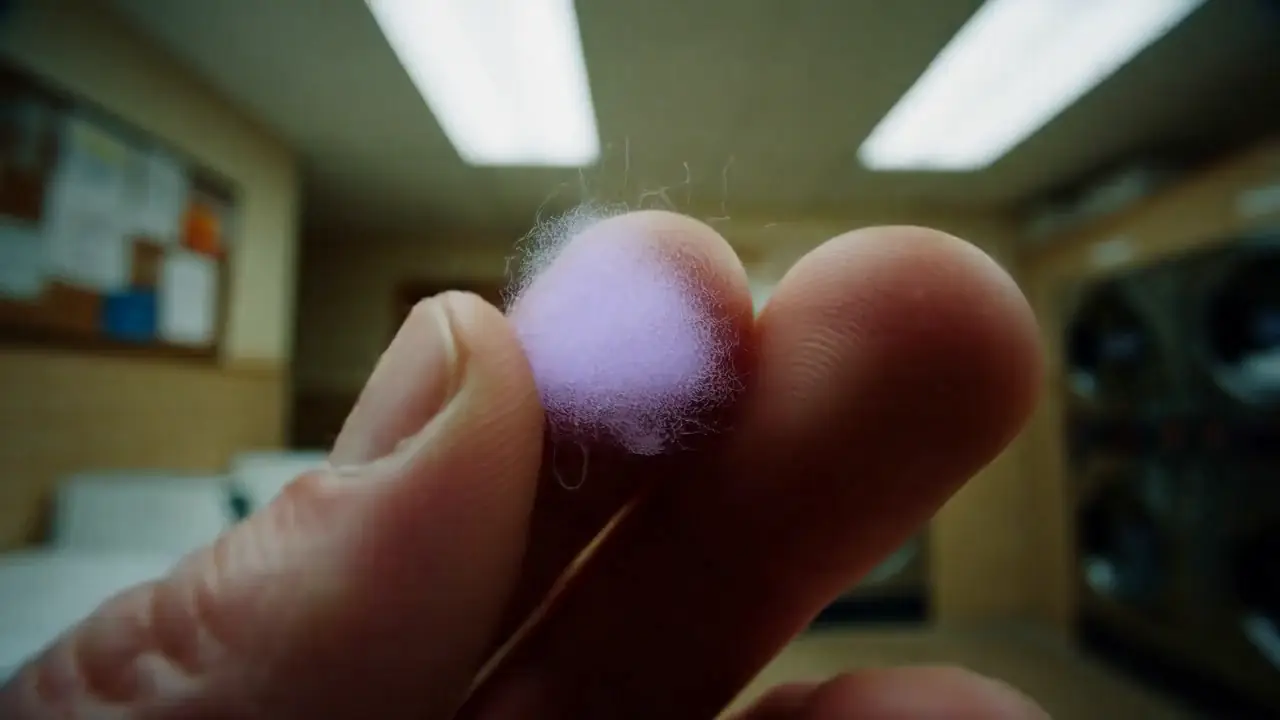
Text to Video · Visual Concepts & Motion Design
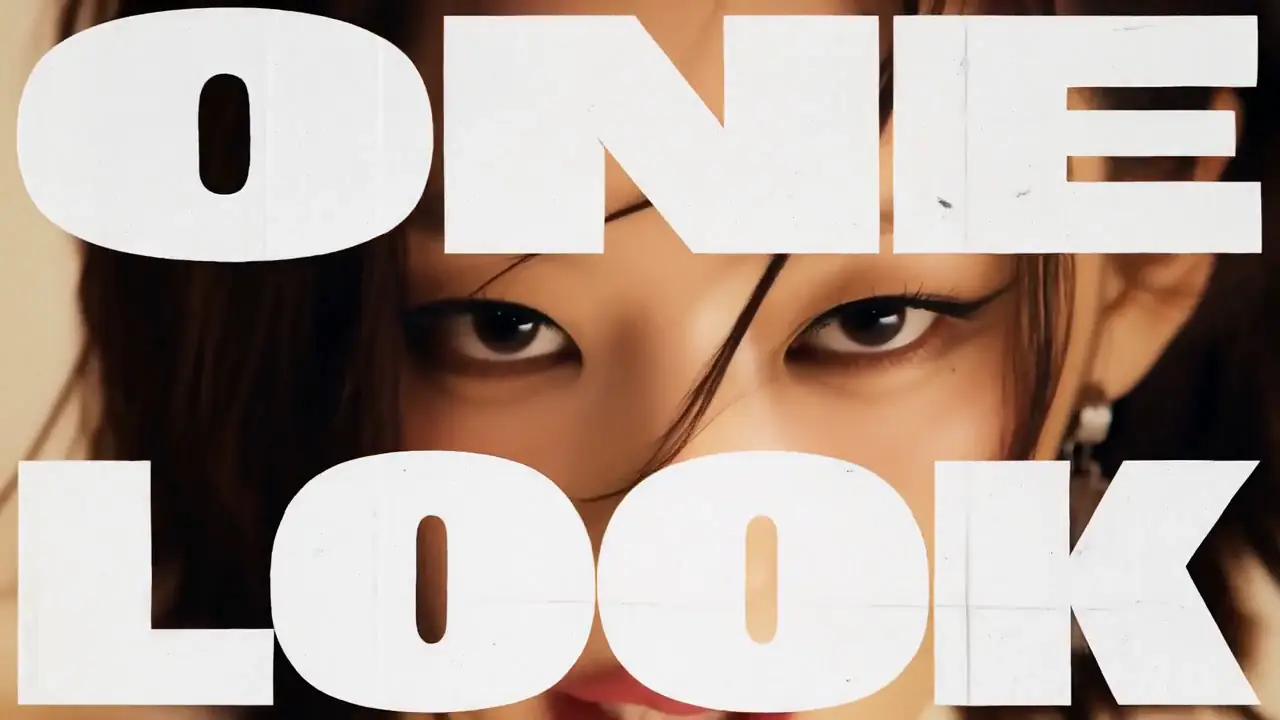
Reference to Video · Visual Concepts & Motion Design
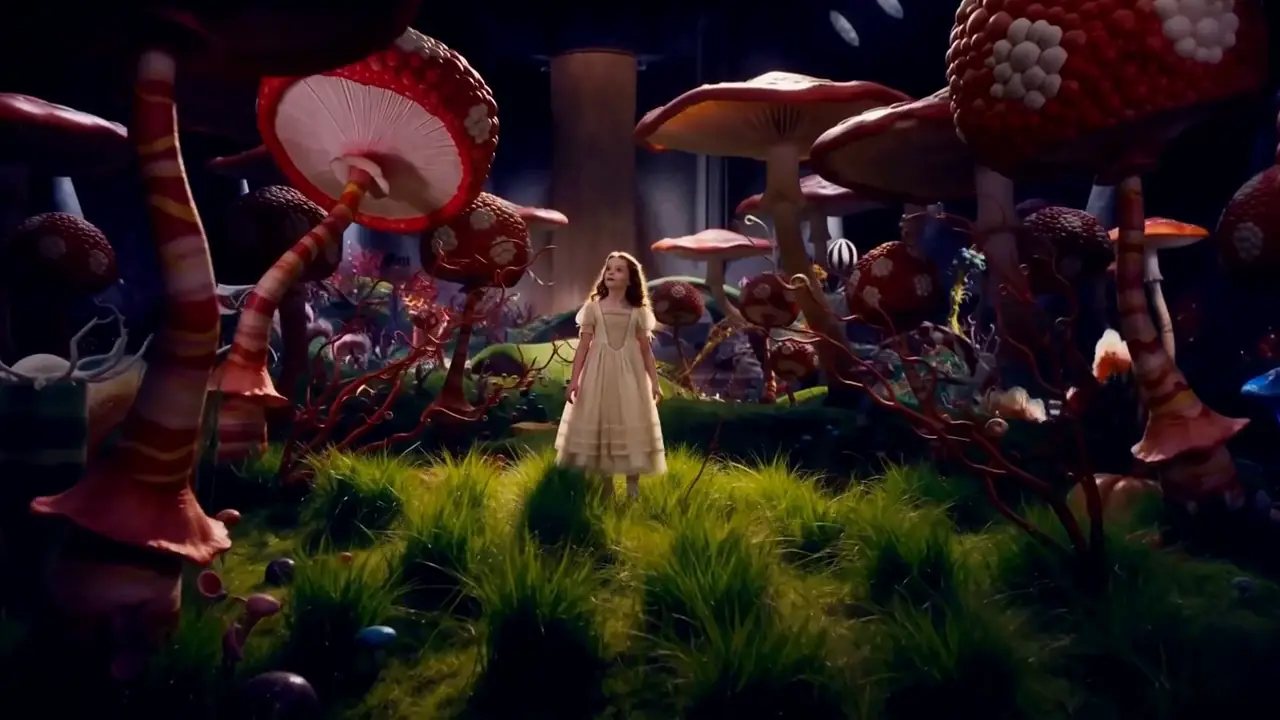
Reference to Video · Visual Concepts & Motion Design
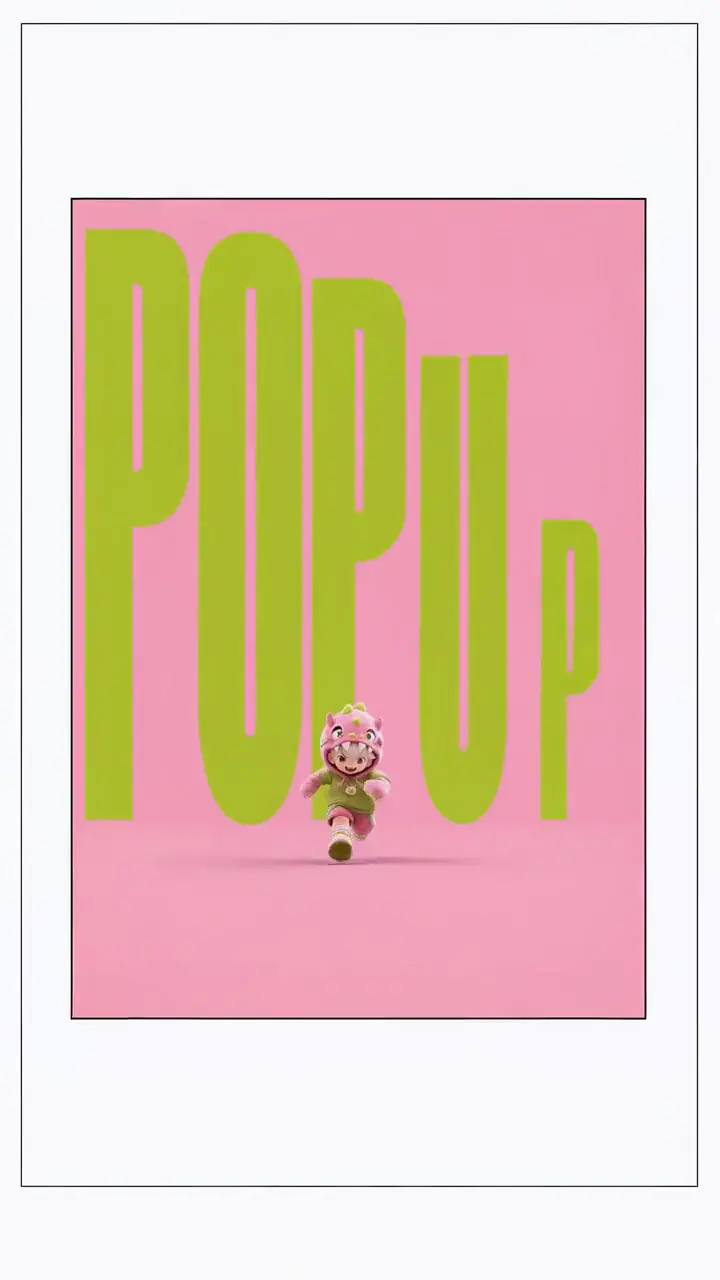
First & Last Frame · Visual Concepts & Motion Design

Reference to Video · AI-Native Storytelling
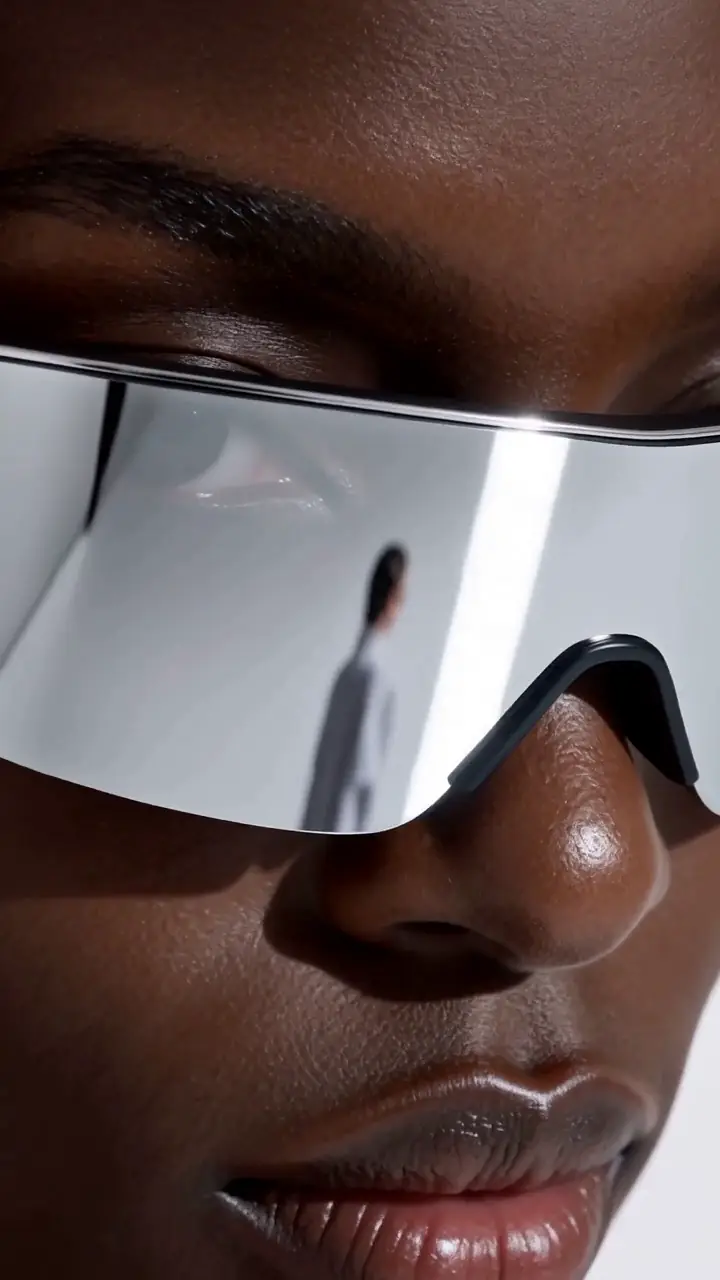
Reference to Video · Product & E-Commerce Marketing
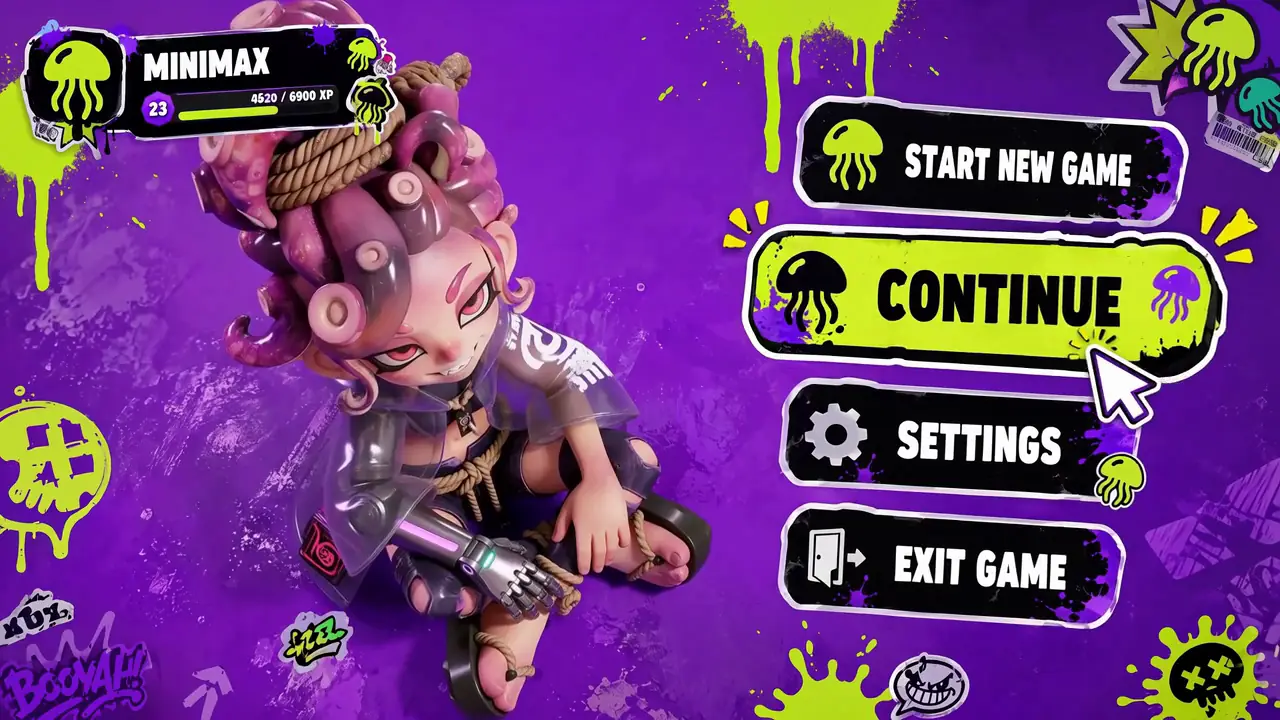
Reference to Video · Digital Experiences & Game Concepts
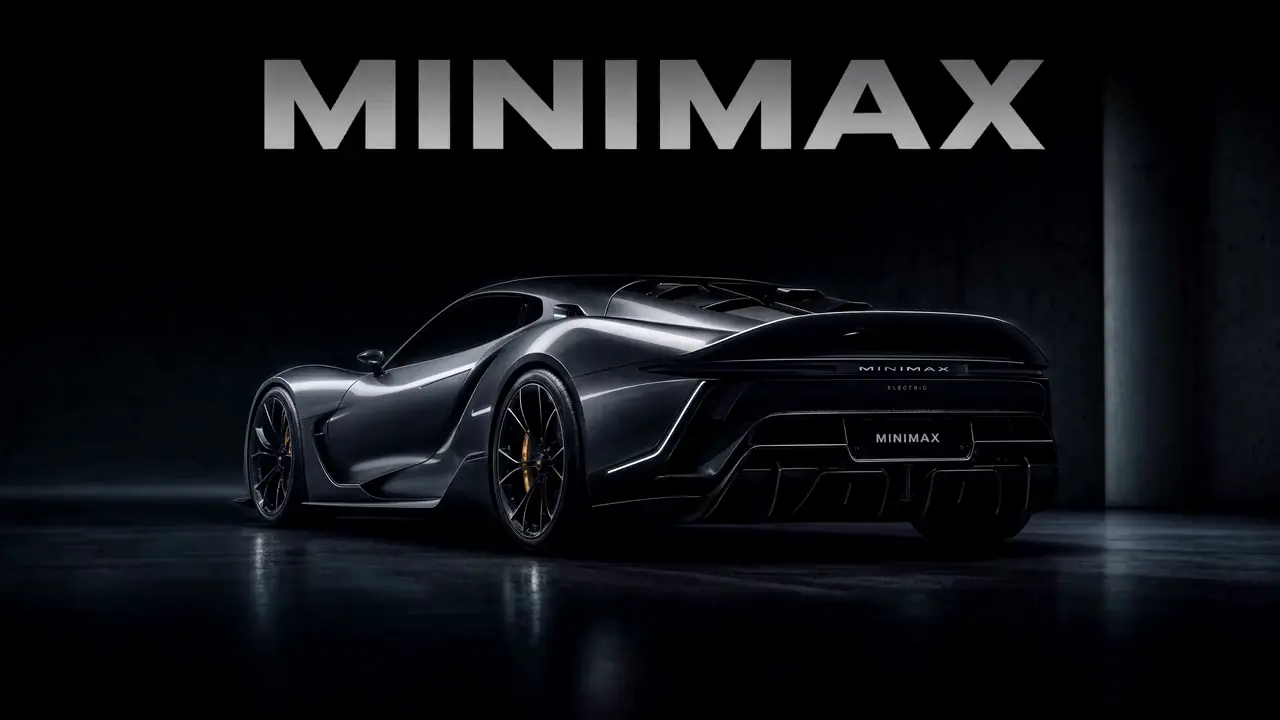
First & Last Frame · Digital Experiences & Game Concepts

First & Last Frame · Digital Experiences & Game Concepts
Want all 20 examples?
Explore the MiniMax H3 Prompt Guide →MiniMax3.org is not operated by MiniMax or Hailuo AI. MiniMax H3 is developed by MiniMax.
Direct answer
You can use MiniMax H3 directly in the MiniMax3.org browser generator without installing local model weights or configuring ComfyUI.
Current workflows may include text prompting plus image, video, and audio references, depending on the selected generation mode. Output controls include 768p or 2K, 4–15 second durations, multiple aspect ratios, and audiovisual output on compatible workflows.
Review the live credit estimate before generating. Required credits depend on resolution, duration, mode, and reference inputs.
Platform scope: MiniMax3.org · Model: MiniMax H3 · Last verified: September 15, 2026
| Setting | Available on MiniMax3.org |
|---|---|
| Model | MiniMax H3 |
| Text prompt | Yes |
| Primary image reference | Yes, where supported |
| Additional image references | Yes, where supported |
| Video references | Yes, where supported |
| Audio references | Yes, where supported |
| 768p | Yes |
| 2K | Yes, supported tier/workflow |
| Video duration | 4–15 seconds |
| Aspect ratios | Multiple supported ratios |
| Native audio | Available on compatible workflows |
| Credit estimate before generation | Yes |
Choose the page that matches your task.
Official capabilities, resolution, duration, audio, supported languages, and model details.
MiniMax H3 GuideAPI endpoints, code examples, pricing, 2K requests, and API errors.
MiniMax H3 API GuideVRAM, GPUs, Mac and Apple Silicon, ComfyUI, and local deployment.
MiniMax H3 Local GuideDialogue, camera movement, reference roles, audio, and prompt structure.
MiniMax H3 Prompt GuideMiniMax, Hailuo AI, Hugging Face, GitHub, and official resource verification.
MiniMax H3 Official ResourcesWorkflows
Typical MiniMax H3 usage on MiniMax3.org — role scenarios you can match to your own workflow, not customer testimonials.
Four seconds at 768p covers a story beat I used to stitch from three clips. 2K credits wait until the shot is locked.
The credit estimate in the generator is what I paste into a client thread before I hit Generate. No surprise invoice after the render.
I needed a page that names MiniMax H3, says it is independent, and quotes credits before checkout. That is why I stayed instead of another “official” clone.
The prompt notes say what breaks. That saved more credits than shopping for a cheaper pack.
Picture and a matching bed of sound in one pass. I am not bouncing to a second tool for an 8-second visualizer.
Reference-to-video keeps the product and the character in the same set. I am not re-rolling identity on every clip.
Search term disambiguation
“MiniMax 3” is an informal search phrase rather than the official name of a single MiniMax model. People searching for MiniMax 3 may be looking for MiniMax H3, the company's video generation model, or MiniMax M3, a separate language and coding model.
MiniMax3.org focuses primarily on MiniMax H3 video generation. We use the official model name “MiniMax H3” when referring to the video model and use “MiniMax 3” only when explaining the common search phrase or the MiniMax3.org brand.
Not exactly. MiniMax H3 is the official name of MiniMax's H3 video generation model, while “MiniMax 3” is an informal phrase that some users may type when searching for the latest MiniMax video technology. MiniMax3.org uses MiniMax H3 as the primary model name to avoid confusion.
No. MiniMax H3 and MiniMax M3 serve different purposes. MiniMax H3 is focused on AI video generation, while MiniMax M3 belongs to MiniMax's language, coding and agent-oriented model family. Users looking to create videos should focus on MiniMax H3 rather than M3.
No. MiniMax3.org is an independent third-party platform and is not operated by MiniMax. The website provides its own interface, pricing, content, prompts and generation workflows. MiniMax and related model names belong to their respective owners.
Model comparison
MiniMax H3 generates video; MiniMax M3 handles language, coding, and agent tasks. They are separate models.
| Model | Model type | Primary input | Primary output | Main use cases | Available on MiniMax3.org | Last verified |
|---|---|---|---|---|---|---|
| MiniMax H3 | Video generation model (multimodal) | Text prompt, Image reference (first and/or last frame), Video reference, Audio reference | Video clips (MP4), Optional synchronized audio | Text-to-video, Image-to-video, First/last frame video, Reference-guided video | Yes | 2026-08-11 |
| MiniMax M3 | Language, coding, and agent model | Text prompts, Instructions and tool calls | Text responses, Code, Tool / agent actions | Conversation, Coding assistance, Reasoning, Agent workflows | No | 2026-08-11 |
Availability reflects what MiniMax3.org currently supports. Provider model parameters and availability can change.
Read the full H3 vs M3 comparisonUse cases
MiniMax H3 can be used for a wide range of short-form AI video workflows. The best results usually come from combining a clear subject, specific motion, camera direction, lighting and visual style in the prompt.
Create cinematic shots with controlled camera movement, dramatic lighting, environmental motion and visual storytelling. Prompts can describe dolly shots, tracking shots, close-ups, wide establishing shots and other filmmaking language to give the generation clearer direction.
Turn product concepts or product images into short promotional videos for landing pages, social campaigns and creative testing. Describe the product movement, camera angle, background, lighting and desired advertising style instead of relying on generic prompts.
AI Product Video Generator turns one product photo into a short promotional video — describe the motion, and review the result before publishing.
Create a Product VideoAnimate a still image by describing how the subject, camera and environment should move. This workflow works well for portraits, concept art, product images, landscape scenes and visual keyframes that already establish the desired composition.
Generate stylized character scenes with clear action, framing and environmental direction. Character-focused prompts should describe appearance, motion, camera distance and scene continuity as precisely as possible to reduce unexpected changes between frames.
Create short audiovisual scenes where supported MiniMax H3 workflows generate both visual motion and synchronized sound. Use clear descriptions of dialogue, ambience, sound effects and scene context when audio is important to the result.
Model capabilities and availability can change. Feature availability reflects what MiniMax3.org currently supports; check the generator for live limits.
How to use
You do not need a complex workflow to start. A clear prompt and the right reference media are usually more important than adding unnecessary instructions.
Select text-to-video, image-to-video or another supported MiniMax H3 workflow based on the source material you already have.
Describe the subject, action, environment, camera movement, lighting and visual style. Avoid vague phrases when a specific movement or framing instruction would communicate the idea more clearly.
If the selected mode supports reference inputs, upload the image or other media you want the generation to follow. Use high-quality reference material that clearly shows the desired subject or composition.
Select the available output resolution and video length. Higher resolutions and longer videos generally require more credits.
Check the estimated generation cost before submitting the task. MiniMax3.org pricing should reflect the settings selected in the generator.
Start the generation, review the result and refine the prompt if the motion, camera direction or subject behavior does not match your original intent.
PROMPTING GUIDE
Learn how to structure MiniMax H3 prompts for camera movement, reference control, continuity, sound and shot timing—then try the prompt directly in the generator.
Slow dolly, tracking and shot timing patterns for more controlled H3 motion.
Learn the promptControl product geometry, lighting and camera movement without overloading the prompt.
Learn the promptAssign each image, video or audio reference one clear role to improve consistency.
Learn the promptPricing
MiniMax3.org uses credits to pay for video generation. The exact credit cost depends on the selected generation mode, resolution, duration and reference inputs. Users should be able to see the estimated credit requirement before submitting a generation whenever technically possible.
For individual creators testing focused concepts.
$178.80 billed yearly. Credits issued monthly.
708 credits/month
Monthly allowance does not roll over
For creators with a consistent publishing workflow.
$298.80 billed yearly. Credits issued monthly.
1,182 credits/month
Monthly allowance does not roll over
For frequent production and higher-resolution iterations.
$598.80 billed yearly. Credits issued monthly.
2,366 credits/month
Monthly allowance does not roll over
For high-volume creative production.
$1,198.80 billed yearly. Credits issued monthly.
4,734 credits/month
Monthly allowance does not roll over
By purchasing, you agree to the Terms and acknowledge the Refund Policy.
Charged once per year; the displayed allowance arrives each subscription month.
Subscription credits expire at the next monthly allowance boundary.
Price and credit amounts are resolved from the backend catalog, not the browser.
| Generation | Estimated Credits |
|---|---|
| 5-second 768p | 30 |
| 5-second 2K | 60 |
| 10-second 768p | 60 |
| 10-second 2K | 120 |
Estimated credits are based on the current MiniMax3.org credit rates. Model, duration, resolution and provider pricing can change, so the quote shown before a generation is authoritative.
Credit usage is determined by the generation settings selected on MiniMax3.org. Resolution, video duration and supported reference inputs can affect the final cost. The generator should display the current credit requirement before a task is submitted.
A 10-second 2K MiniMax H3 generation currently costs approximately 120 credits on MiniMax3.org. Actual cost may change if different generation settings or reference inputs are selected.
Each successful daily check-in awards 10 credits, up to 30 total per user or IP. Credits are a balance unit — see the rate table for cost per generation.
Why MiniMax3.org
Use supported MiniMax H3 generation workflows without building your own API integration. Choose your settings, provide the prompt or reference media and manage generations from one interface.
Generation settings and credit requirements should be visible before a task begins, helping users compare lower-resolution drafts with higher-quality final generations.
Browse actual generation examples instead of relying only on marketing claims. Examples should include prompts and useful settings whenever that information is available.
Learn from tested prompt structures for camera movement, product videos, image animation and character scenes, then adapt them to your own creative workflow.
Frequently asked
Direct answers about the MiniMax H3 generator, credits, and MiniMax3.org.
Last verified: 2026-08-07
MiniMax H3 is a multimodal AI video generation model developed by MiniMax. It is designed for short-form video creation using text and supported reference media, with capabilities that include high-resolution video generation, cinematic motion and audiovisual output.
Yes. “MiniMaxH3” is a common no-space search variation of MiniMax H3. Both searches refer to MiniMax's H3 video generation model. MiniMax3.org uses “MiniMax H3” when referring to the model because that is the standard model name.
“MiniMax 3” is an informal search phrase and is not the official name of a single MiniMax model. Users may use it when looking for MiniMax H3 video generation or MiniMax M3 language and coding capabilities. MiniMax3.org focuses primarily on MiniMax H3 video generation.
Not exactly. MiniMax H3 is the official video model name. “MiniMax 3” is a broader informal phrase that some users may type when searching for MiniMax's latest generation of models or tools.
No. MiniMax H3 is focused on AI video generation, while MiniMax M3 belongs to MiniMax's language, coding and agent-oriented model family. They are separate model lines designed for different tasks.
No. MiniMax3.org is an independent third-party platform and is not operated by, affiliated with or endorsed by MiniMax. MiniMax and related model names belong to their respective owners.
Yes, MiniMax3.org provides a browser-based interface for supported MiniMax H3 video generation workflows. Available modes, resolutions, durations and input types are shown directly in the generator.
Yes. MiniMax H3 supports image-to-video workflows using supplied keyframes. See the MiniMax H3 Image to Video guide for input requirements, first/last-frame control, prompting, and workflow selection.
Yes. MiniMax H3 supports video generation at up to 2K resolution. MiniMax also provides a 768p generation tier. MiniMax3.org offers 768p and 2K options for supported H3 workflows.
Supported MiniMax H3 generations can range from 4 to 15 seconds. Available duration options may vary by generation mode and resolution.
MiniMax H3 supports audiovisual generation in compatible workflows, including synchronized audio in supported modes. Check the current generator options because availability can vary by mode and provider.
MiniMax3.org charges credits based on the selected generation settings. Resolution, duration and reference inputs can affect the total credit requirement. The current cost should be displayed in the generator or on the pricing page before generation.
If a generation fails because the generation service cannot complete the task, the corresponding generation credits are automatically returned according to the MiniMax3.org credit policy.
Commercial usage depends on the applicable model terms, MiniMax3.org Terms of Service and any rights associated with your prompts, reference media and generated content. Review the current terms before using generated videos in commercial projects.
Yes. MiniMax3.org offers daily check-in credits that you can use toward MiniMax H3 generation. You can claim 10 free credits per daily check-in, with a cumulative limit of 30 credits per user or IP. Generation costs depend on the selected resolution and duration.