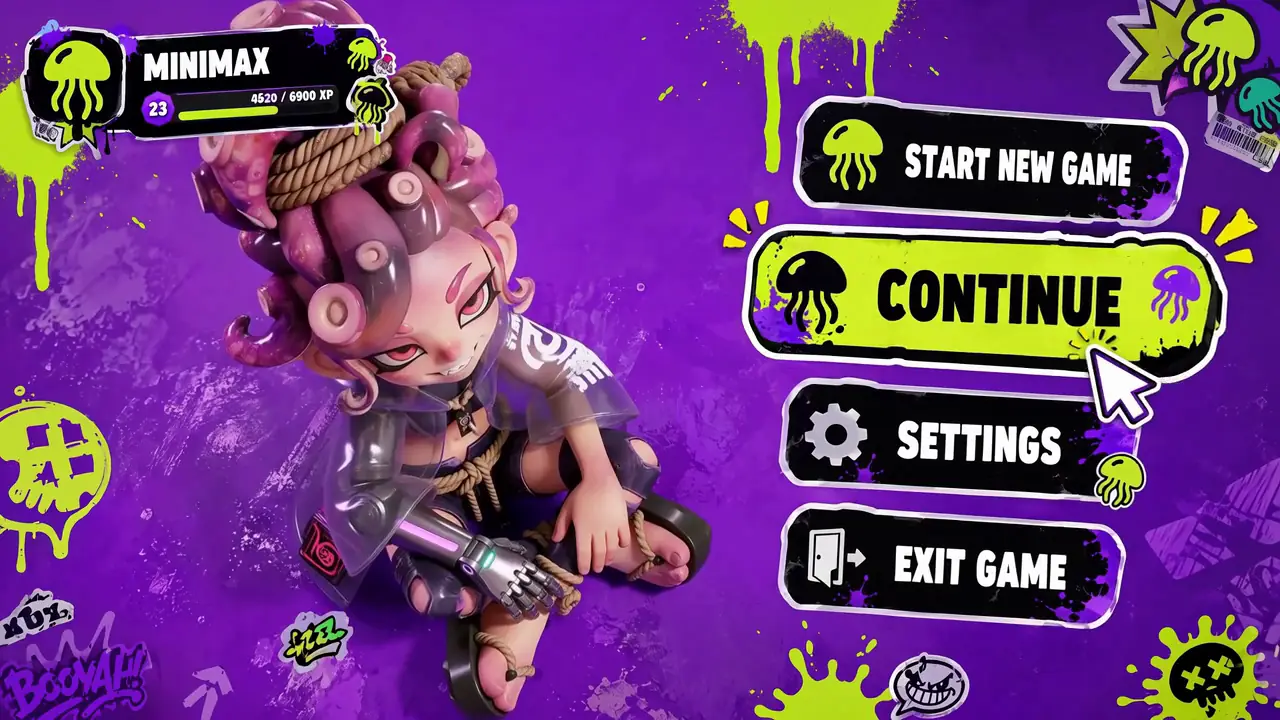
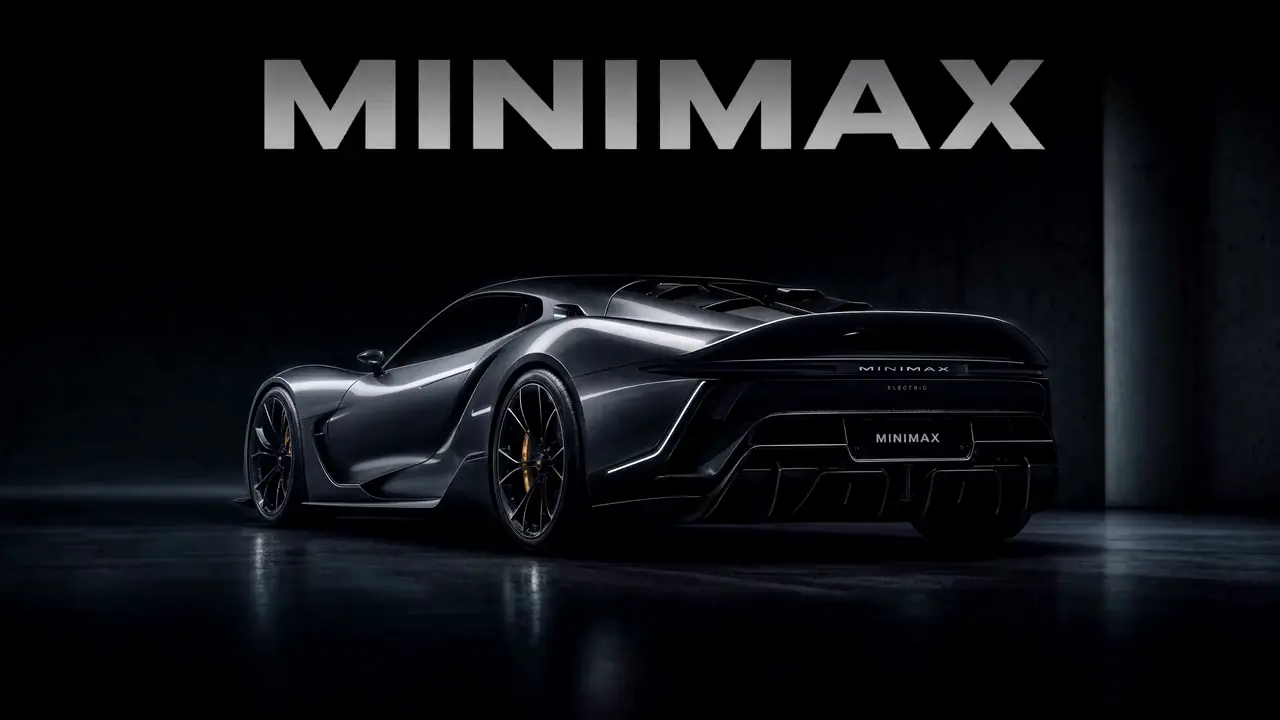
Cinematic Drone Shot
Cinematic
Use case: An establishing shot with a single readable aerial camera move.
integrated_multimodal_description:
[Shot 1] At sunrise, a lone red train follows a curved track through a mist-filled alpine valley. A high drone camera descends slowly behind the train, then settles into a wide side view as sunlight reaches the peaks.

overall_soundscape:
Distant rail rhythm, soft mountain wind and sparse birds.

non_diegetic_music:
A restrained orchestral swell with low strings.
Product Reveal
Product Advertising
Use case: A clean studio reveal for a launch page or paid ad.
integrated_multimodal_description:
[Shot 1] A matte-black wireless speaker stands on a dark stone plinth. A narrow rim light travels across its exact silhouette while the camera makes one slow 30-degree arc. Fine mist clears to reveal the logo. Keep the product geometry, grille pattern and logo placement unchanged.

overall_soundscape:
Soft room tone and one precise power-on chime.

non_diegetic_music:
Minimal premium electronic pulse.
Luxury Product Ad
Commercial / Brand
Use case: A polished hero clip for fragrance, jewelry or accessories.
integrated_multimodal_description:
[Shot 1] A faceted perfume bottle rests on warm travertine. Golden-hour light refracts through the glass as the camera pushes in slowly. A silk ribbon crosses the background without touching the bottle. Hold the label sharp and readable for the final two seconds.

overall_soundscape:
Quiet studio ambience and a soft glass resonance.

non_diegetic_music:
Elegant sparse piano with warm strings.
Fashion Campaign
Character Consistency
Use case: A wardrobe-led campaign that preserves model identity and styling.
Subject 1 takes facial identity and hairstyle from Picture 1. Subject 2 takes the silver jacket and accessories from Picture 2. Generate a new rooftop fashion shot at blue hour. Subject 1 wears Subject 2, walks toward camera, stops, and turns left as wind moves the jacket. Use one slow backward tracking shot. Preserve face, hair, jacket material and accessories. City wind and distant traffic. No background music.
Restaurant / Food Commercial
Commercial / Brand
Use case: A short food spot built around texture, steam and one serving action.
integrated_multimodal_description:
[Shot 1] Close-up of a chef placing a glossy seared salmon fillet onto a black ceramic plate. Steam rises naturally. The camera slides left as citrus sauce is poured in one continuous ribbon, then holds on the finished plate.

overall_soundscape:
Gentle kitchen ambience, ceramic contact and a crisp sauce pour.

non_diegetic_music:
Warm modern jazz at low volume.
App / UI Product Demo
Product Advertising
Use case: Animate an existing app screen without redesigning the interface.
integrated_multimodal_description:
[Shot 1] Begin from Picture 1 and preserve the exact interface layout, typography, colors and icons. A cursor selects “Create report”; the panel expands smoothly and a chart draws from left to right. Use a locked front-facing view. Keep all visible copy readable and unchanged.

overall_soundscape:
Soft click, subtle panel movement and a clean completion chime.

non_diegetic_music:
N/A
Social Media Ad
Social Video
Use case: A vertical performance ad with a fast, clear product benefit.
integrated_multimodal_description:
[9:16 vertical] [Shot 1] A creator holds a compact travel blender in a bright kitchen and adds fruit. [Shot 2 at 00:03] Match cut to the finished smoothie as the creator lifts it toward camera. Keep the product centered and leave clean upper-frame space for a caption.

overall_soundscape:
Fruit drops, blender motor, lid click and natural room tone.

non_diegetic_music:
Upbeat percussion with a clean beat change at 00:03.
Automotive Commercial
Camera Motion
Use case: A controlled rolling shot that keeps vehicle proportions stable.
integrated_multimodal_description:
[Shot 1] A graphite electric coupe drives along a wet coastal road at dusk. One low tracking camera moves parallel to the driver side at matching speed. Preserve wheelbase, body panels, lights and paint across the shot. Finish as the car enters a gentle left curve.

overall_soundscape:
Tire spray, restrained motor whine, wind and distant surf.

non_diegetic_music:
Low cinematic synth pulse.
Beauty / Skincare Product
Image-to-Video
Use case: Animate a supplied packshot while protecting packaging details.
integrated_multimodal_description:
[Shot 1] Begin from Picture 1. Preserve the bottle shape, pump, label typography and pale-green color. Condensation forms gradually while a soft light moves from left to right. The camera pushes in slightly and stops with the label fully readable.

overall_soundscape:
Quiet studio tone and delicate water droplets.

non_diegetic_music:
Airy ambient tones at low volume.
First / Last Frame Transformation
First / Last Frame
Use case: Connect exact opening and closing frames with one continuous change.
integrated_multimodal_description:
[Shot 1] Picture 1 is the opening frame and Picture 2 is the final frame. Begin on the empty daylight storefront in Picture 1. The camera remains locked while the sky darkens, interior lights switch on, pedestrians enter and wet reflections form. Settle precisely into Picture 2 without a cut.

overall_soundscape:
Street ambience gradually grows busier; soft rain begins halfway through.

non_diegetic_music:
Subtle electronic ambience that builds with the transition.
Dialogue Scene
Dialogue & Audio
Use case: Keep two speakers and their lines easy to distinguish.
integrated_multimodal_description:
[Shot 1] Two climbers shelter inside a dim tent during a storm. Medium two-shot. The younger climber (S1), breathless, says: <d>[English] The radio went silent.</d> The older climber (S2), calm and low, replies: <d>[English] Then we move at first light.</d> Keep each line with its assigned speaker.

overall_soundscape:
Rain striking canvas, fabric movement and distant thunder.

non_diegetic_music:
N/A
Reference-to-Video Motion
Reference-to-Video
Use case: Borrow motion and camera behavior without copying the source setting.
Subject 1 takes identity from Picture 1. Video 1 provides body movement and handheld camera behavior only. Generate a new rain-soaked night market scene. Subject 1 follows the walking rhythm from Video 1 while wearing a red coat and looking toward the stalls. Preserve Subject 1 identity; do not reuse the environment or wardrobe from Video 1. Rain, footsteps and market ambience. Restrained electronic score.
Brand Logo Reveal
Commercial / Brand
Use case: A simple end-card animation for a campaign asset.
integrated_multimodal_description:
[Shot 1] Fine silver particles gather over a deep navy background and form the supplied brand mark in the center. Use a locked camera. The final logo must keep its exact proportions, letter spacing and orientation, then remain still for two seconds.

overall_soundscape:
A soft metallic sweep and one restrained impact as the mark completes.

non_diegetic_music:
Minimal tonal rise that resolves on the reveal.